No products in the cart.


Newsletter
[contact-form-7 id=”4235″ title=”Contact form 1″]

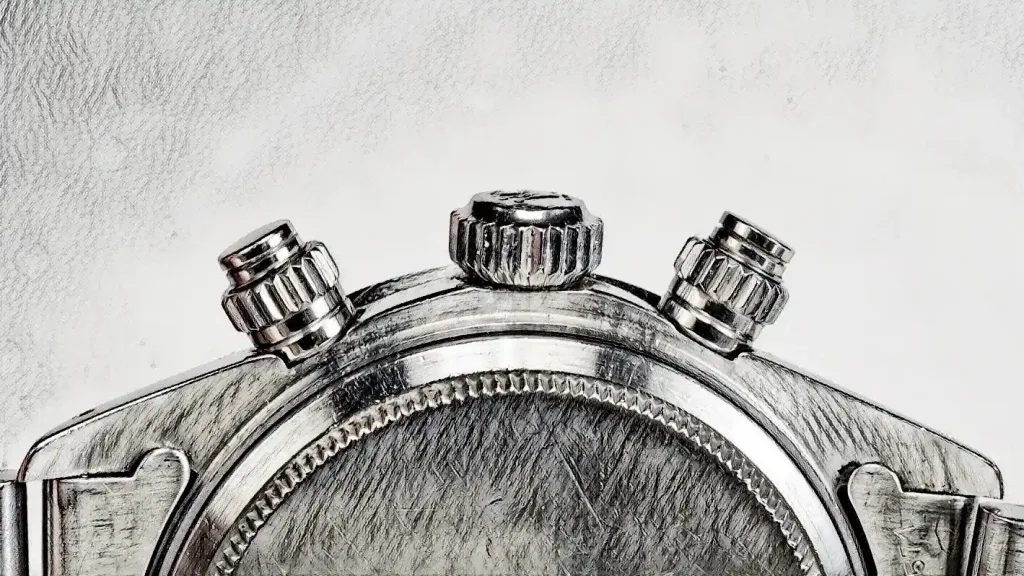
A collection rarely begins with an intention. It begins with a watch that refuses to be put down — one whose proportions sit correctly in the hand, whose dial reads without effort, whose movement, once the caseback is opened, reveals a construction with magic. The decision to continue from there is almost automatic.
What separates a collection from an accumulation of objects is not size, price, or the volume of references represented. It is coherence: the ability to understand why each piece is present and what it contributes to the whole.


That coherence is built through criteria applied consistently over time. Without it, a collection drifts with the market, absorbing whatever is prominent at a given moment and shedding it when attention moves elsewhere.
A well-preserved vintage watch carries material evidence that cannot be replicated.


The original surface of a dial — its lacquer, its printing, the patina of its luminous material — is formed once, at the point of manufacture, and deteriorates or disappears with every subsequent intervention. The geometry of an unpolished case, with its transitions between brushed and polished surfaces intact, communicates the design intent as executed.
A movement preserved in original condition, with its bridges and plates unaltered and its regulator untouched, retains the finish applied at the manufactory.
These are not aesthetic preferences. They are the substance of the object. Remove them, and what remains may be functional and visually similar, but it is a different thing.


Quality in this context is a composite of three variables, each carrying independent weight. Condition refers to the physical state of every surface as found. An unpolished case retains the geometry of its manufacture.
A dial with intact originality, consistent patina on its luminous material, and printing that has not been re-applied tells a legible material history.
Originality refers to the correspondence between components and the specification at point of manufacture. A dial, a set of hands, a crown, and a caseback that belong to the reference as produced constitute an original watch. Replacement with components from an identical reference — even period-correct ones — creates a hybrid.
The distinction has measurable consequences: in the case of a Rolex reference 6238, the difference in secondary market valuation between an original dial and a refinished one can substantially exceed the value of the movement or case itself.
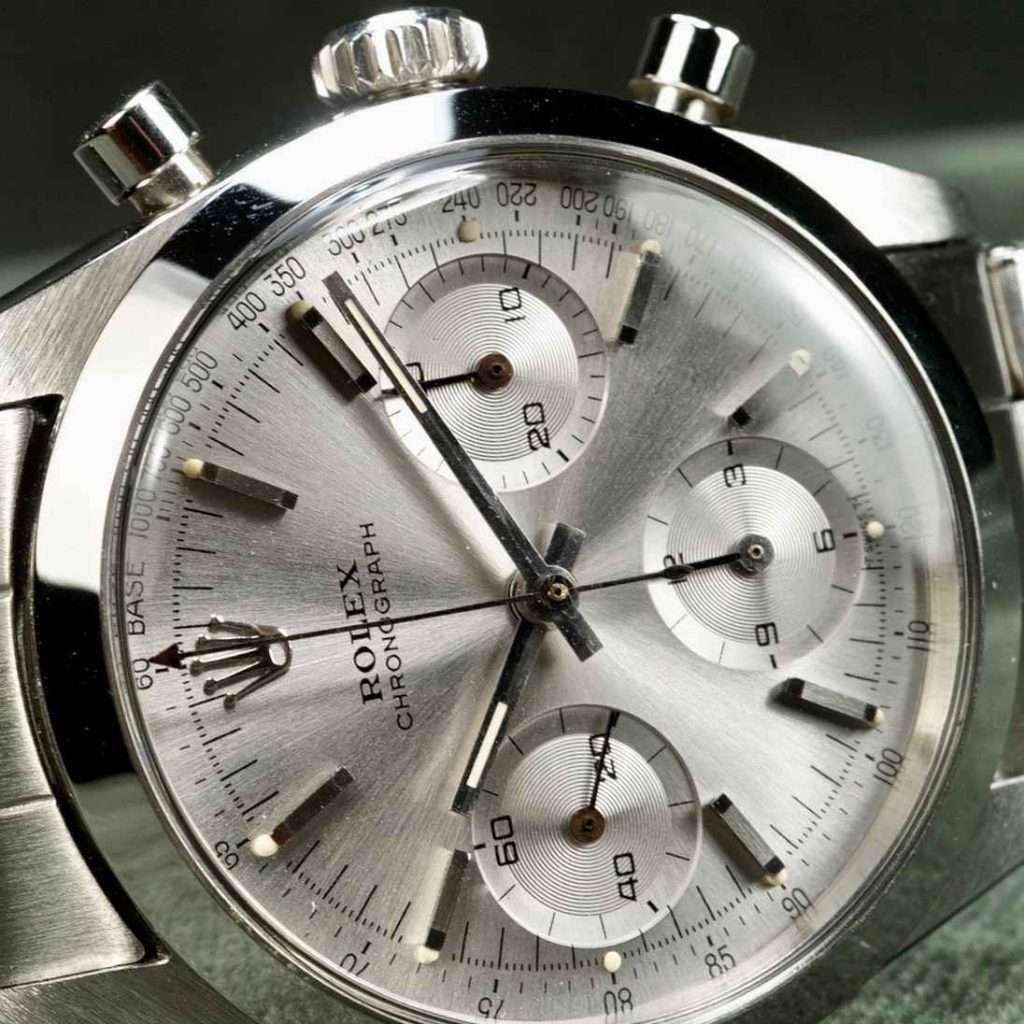

Coevality is the most precise of the three criteria and the most frequently overlooked. It requires that the components present are not merely correct for the reference but chronologically consistent with one another — produced and assembled within the same production window. A movement from the correct period installed in a case from a different production run, or hands from a subsequent variant fitted to an earlier dial, may each be individually authentic.
Collectively, they are not. The distinction requires familiarity with production records and the sustained comparison of known intact examples.
Certain categories of replacement — crowns, crystals, and in some cases hands — call for less rigidity in evaluation. These components were historically subject to wear and are generally traceable and replaceable with period-correct parts. The non-negotiable elements are the dial, the case, and the movement. Their integrity defines the watch.
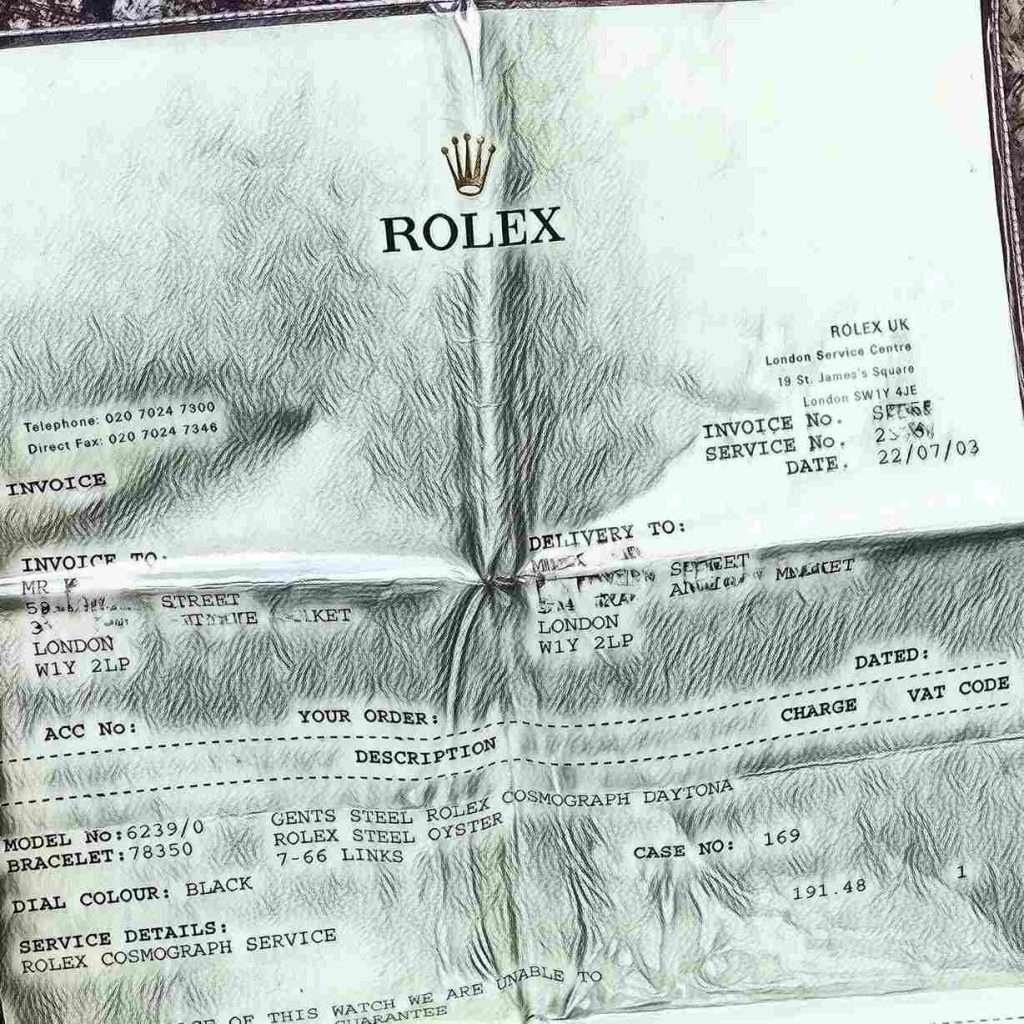
On Documentation: A certificate issued on the basis of a serial number alone, without physical or photographic examination of the watch, confirms the history of a number. It does not authenticate the object.
Where factory documentation is available — as with Patek Philippe archive extracts, which are grounded in both production registers and the examination of the watch — it supports the claim of a watch`s originality
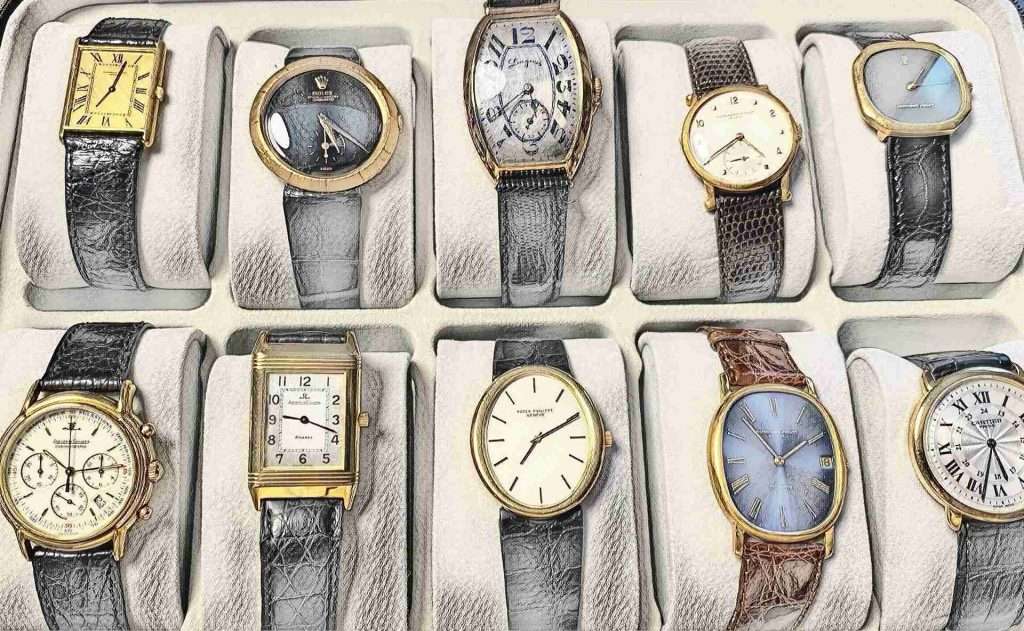
Most collectors acquire one or more watch they later reassess downward. A dial that appeared correct under an auction photograph reads differently under direct examination.
A case described as original turns out to be an “original” service part. These are the mechanism by which calibration develops.
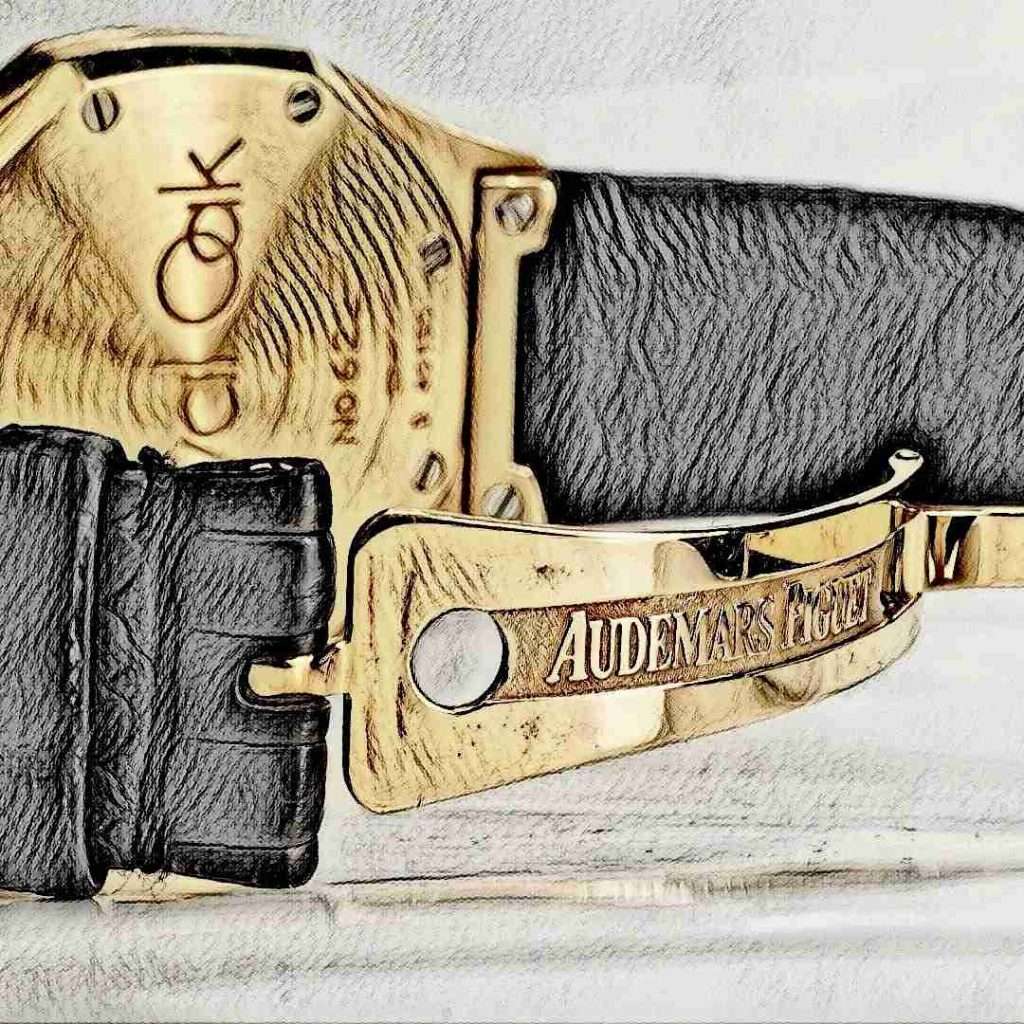
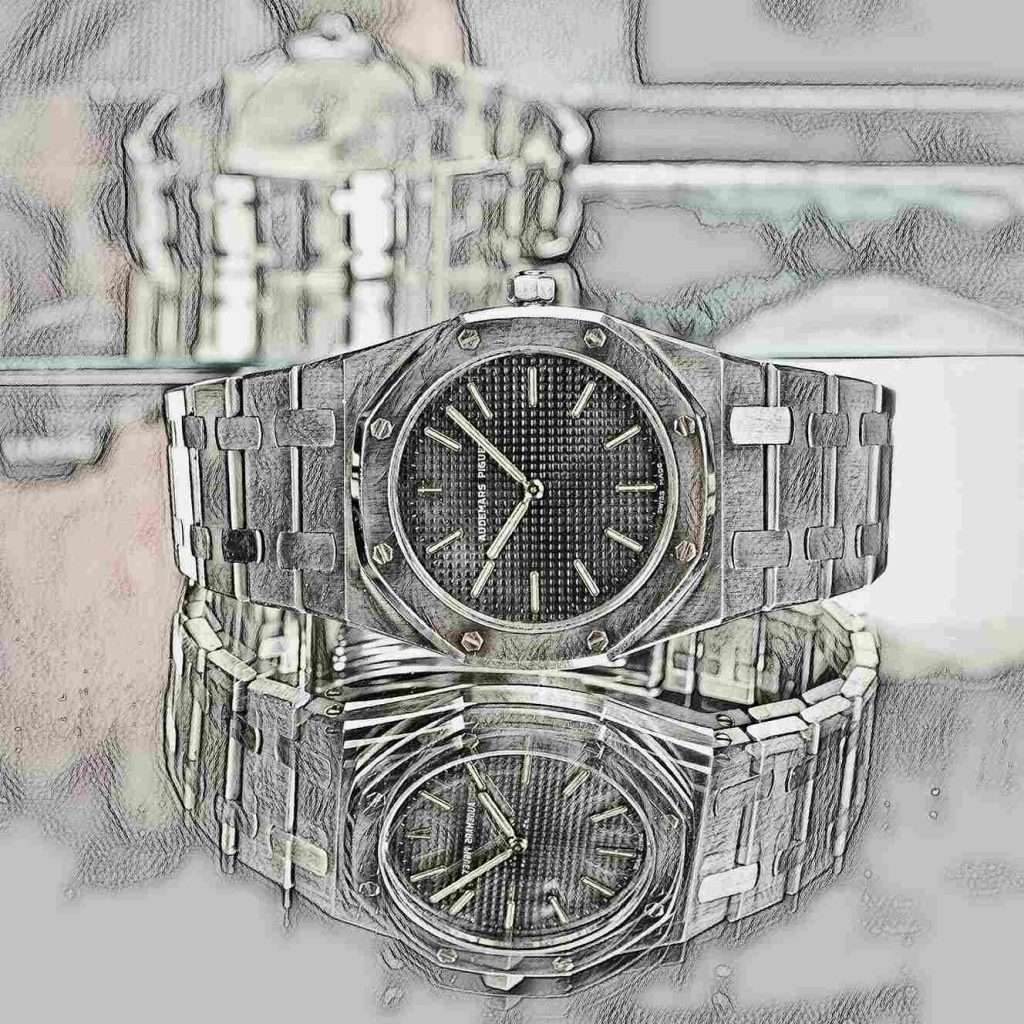
A mistake examined rather than rationalised generates information that no catalogue reference can provide. The secondary market in vintage horology is not a controlled environment, and the collector who proceeds as though it were will learn this.
Market cycles are a short game while watch collecting is a long game, The secondary market for mechanical watches is not indifferent to macroeconomic conditions, shifts in taste, or the gravitational pull of collective attention. It moves in cycles, and those cycles are legible in retrospect with a clarity that is rarely available in the moment.

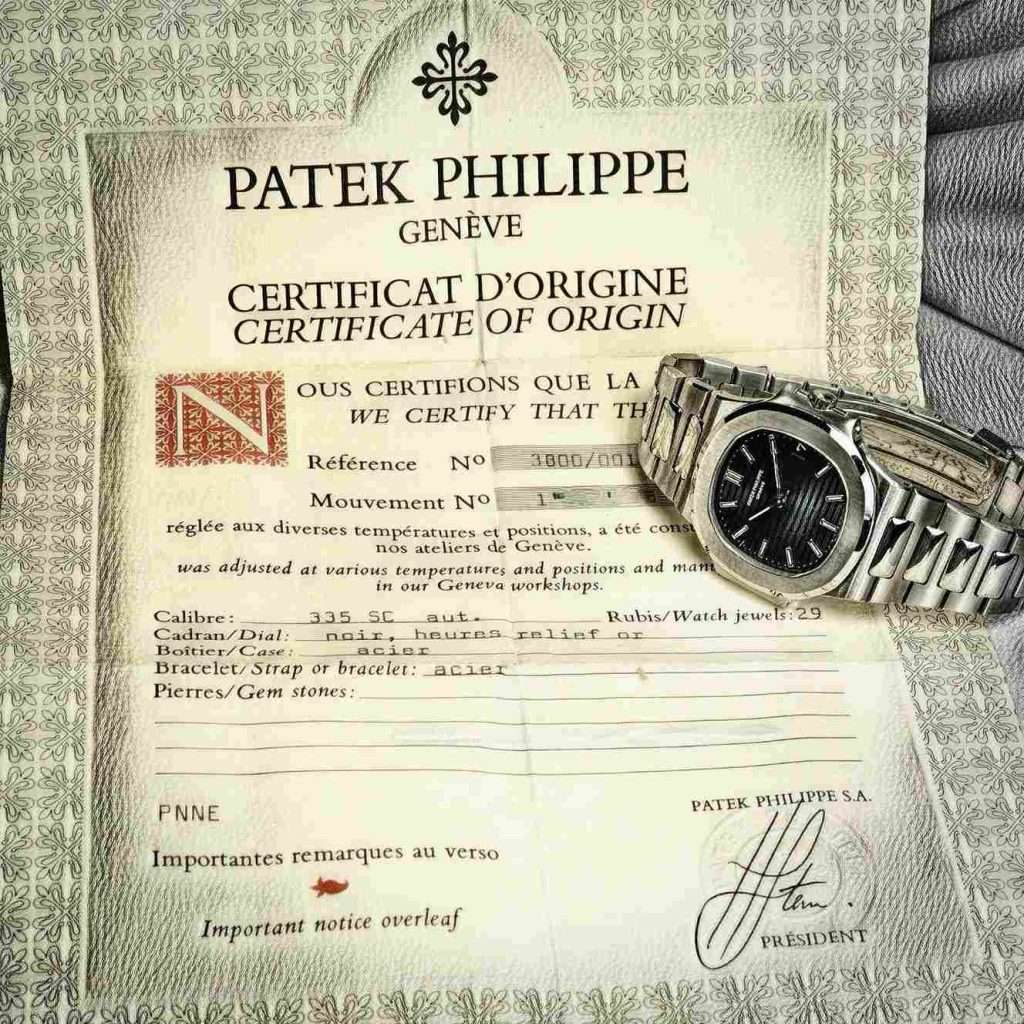
Between 2020 and 2022, a concentrated group of stainless steel sport references — among them the Rolex Daytona reference 116500, the Patek Philippe Nautilus reference 5711, and the Audemars Piguet Royal Oak reference 15202 — reached secondary market valuations that bore no relationship to their retail price.
As market conditions changed at the end of 2022, the correction in the following years has been substantial with watches losing from 30 to 60% of their value. A comparable contraction occurred following the 2008 financial crisis. These are cycles, not structural trends, and a strategy built on following them is speculation rather than watch collecting.
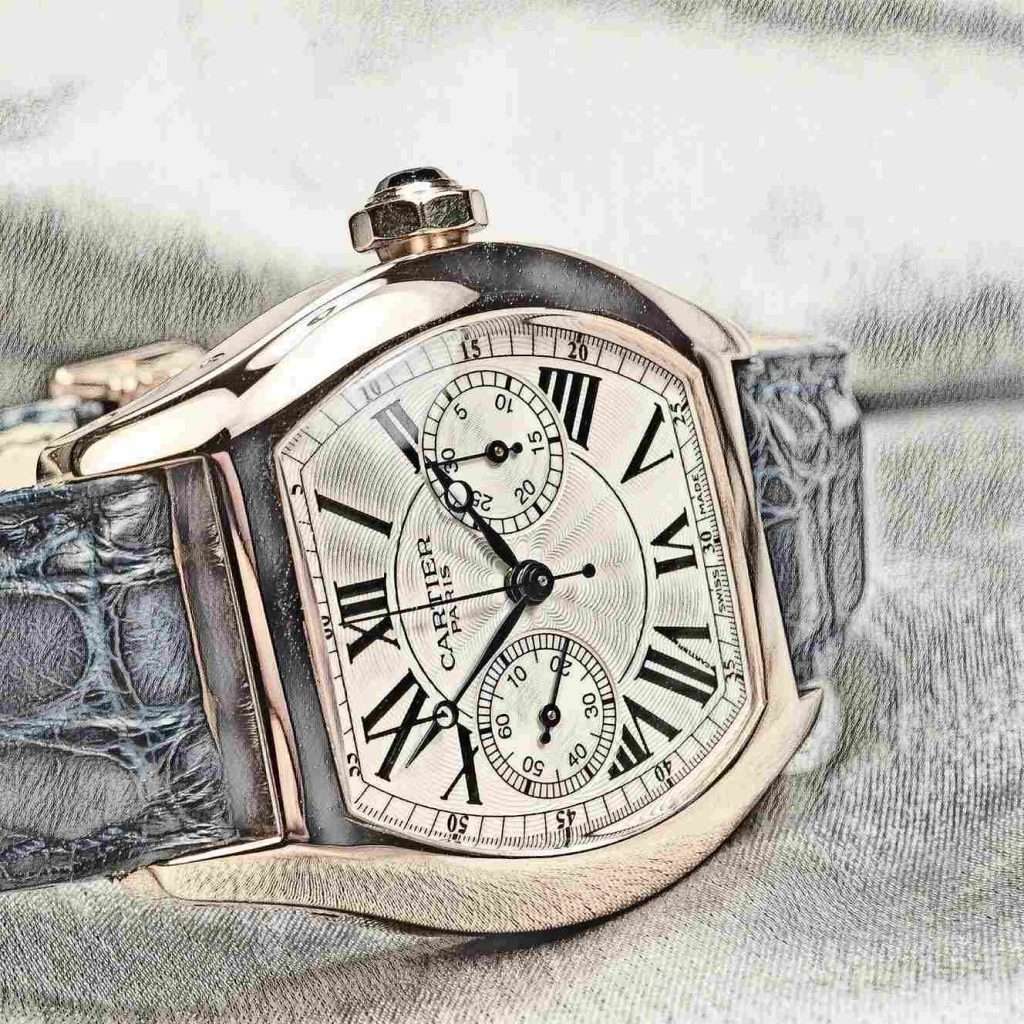
Conversely, collectors who, before 2015, concentrated on mid-century Cartier dress watches, shaped gold cases, or triple-calendar complications from primary Swiss manufacturers were not responding to a consensus. They were applying criteria — design coherence, construction quality, historical positioning — that the market subsequently validated.
Pieces such as the vintage Cartier, Patek Philippe Calatrava models from the 1940s, and full- calendar moonphase watches from established manufactures have seen increased recognition and secondary market reassessment as a result. The sequencing is instructive: taste applied with knowledge tends to precede recognition rather than follow it.
One of the more reliable ways to build a mediocre collection is to approach every acquisition as a negotiation against market value. Correct vintage watches — pieces with original dials, period- consistent components, and mechanical integrity — are not systematically underpriced.
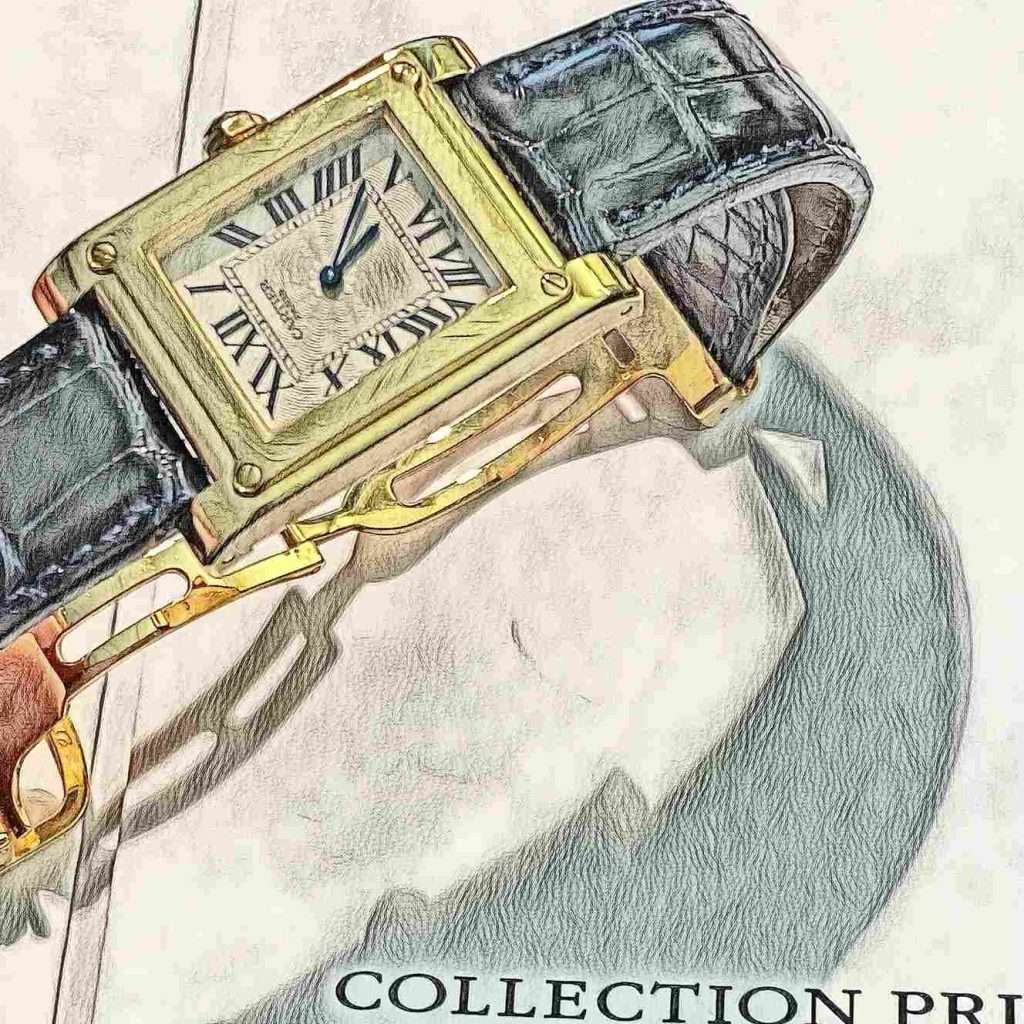
The secondary market for horology is not illiquid or uninformed; it is populated by specialists, auction records are publicly accessible, and reference literature is extensive.
A watch offered at a value considerably lower than market in almost every case, has a reason for that discount.
Occasionally a genuinely correct piece does appear below its fair value — through an uninformed estate sale, a regional auction with limited specialist attendance, or a private transaction where the seller’s priority is speed rather than price. These situations exist, but they cannot be planned for, and a collecting strategy built around finding them will spend most of its time acquiring the wrong watches just because they were bargains.
A practical rule holds with consistency: if a watch appears significantly below market value, the difference is almost always explained by condition or originality factors not immediately evident. Knowledge is the instrument that makes those factors visible before acquisition rather than after.
Over time, a collection develops an internal logic that becomes visible without explanation. Each watch relates to the others through material, period, complication, or design.
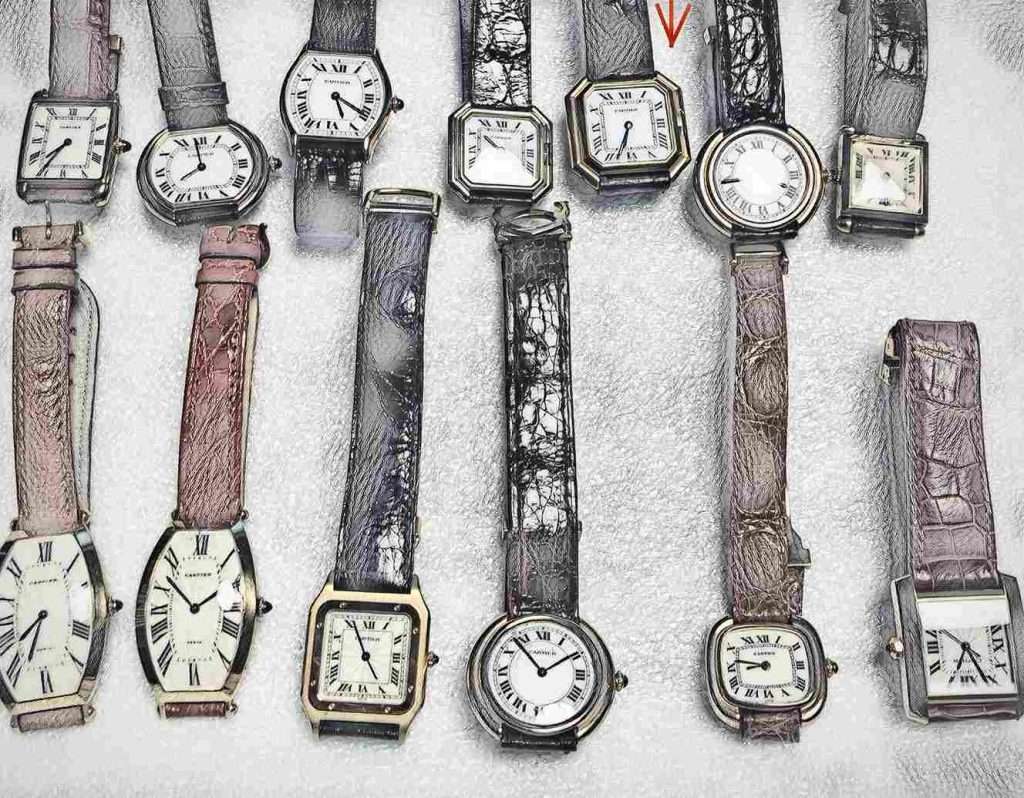

That logic was not planned at the outset; it emerged from decisions made repeatedly under consistent criteria. The process is sequential: a base is formed through early acquisitions, and that base is refined over time. Watches are exchanged, upgraded, or removed in favour of more correct examples.
What collectors describe as “stepping up in quality” is in practice a progressive tightening of the same criteria applied from the beginning. A collection that remains coherent after ten years is not defined by its volume or by the absolute rarity of individual pieces. It is defined by the quality of the framework that produced it — one that followed a point of view rather than the market, and that treated each acquisition as an argument capable of being sustained.
In a subsequent analysis, specific references currently positioned below their long-term significance will be examined through the same principles outlined here.


[contact-form-7 id=”4235″ title=”Contact form 1″]