No products in the cart.

Newsletter
[contact-form-7 id=”4235″ title=”Contact form 1″]

By the late 1960s, Cartier wasn’t a unified maison —
it was three competing identities drifting in different directions.
By the time Pierre Cartier died in 1964, the maison that bore his family’s name had been split into three independent entities for decades.
Cartier Paris, Cartier London, and Cartier New York each operated under separate ownership, with separate management, separate suppliers, and separate design directions.
There was no central authority, no shared strategy, and no mechanism to prevent the three houses from drifting apart — which is exactly what they did.
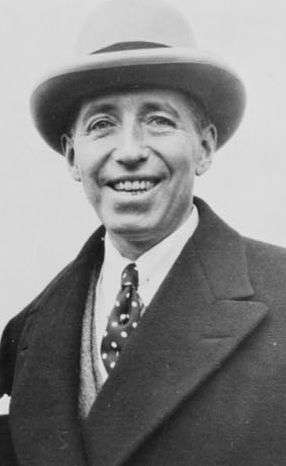
Pierre Cartier – © Wikipedia
The structure had worked, after a fashion, when the three Cartier brothers were alive. Louis ran Paris, Jacques ran London, Pierre ran New York.
Each brother understood the others’ territory and respected it.
Paris was the creative centre, the source of the design language.
London was smaller, more experimental, and cultivated a clientele drawn to bold, unconventional pieces — the Crash, the Pebble, and the Maxi Oval all came out of the Bond Street workshop during its most productive years.
New York was commercial and glamorous, attuned to the American appetite for statement jewellery and fancy shape watches.
But Jacques and Louis both died in 1942. Pierre carried on alone until his death in 1964. Their sons — Jean-Jacques in London, Claude in Paris — inherited the names but not the commercial momentum. The houses were put on the market.
Cartier New York was sold first, in 1962, to the jewellery firm Black, Starr & Frost, which subsequently passed it to the Kenton Corporation. Cartier Paris was acquired by the Danziger brothers. Jean-Jacques Cartier held on to London. Each new owner had different priorities. The brand’s identity — to the extent that a single identity still existed — was fragmenting.
Cartier had no unified product catalogue, no coordinated retail presence, and no shared advertising. In the late 1960s, as the quartz crisis began to erode the foundations of the Swiss watch industry, Cartier was in no position to respond as a single organisation. It had no organisation.
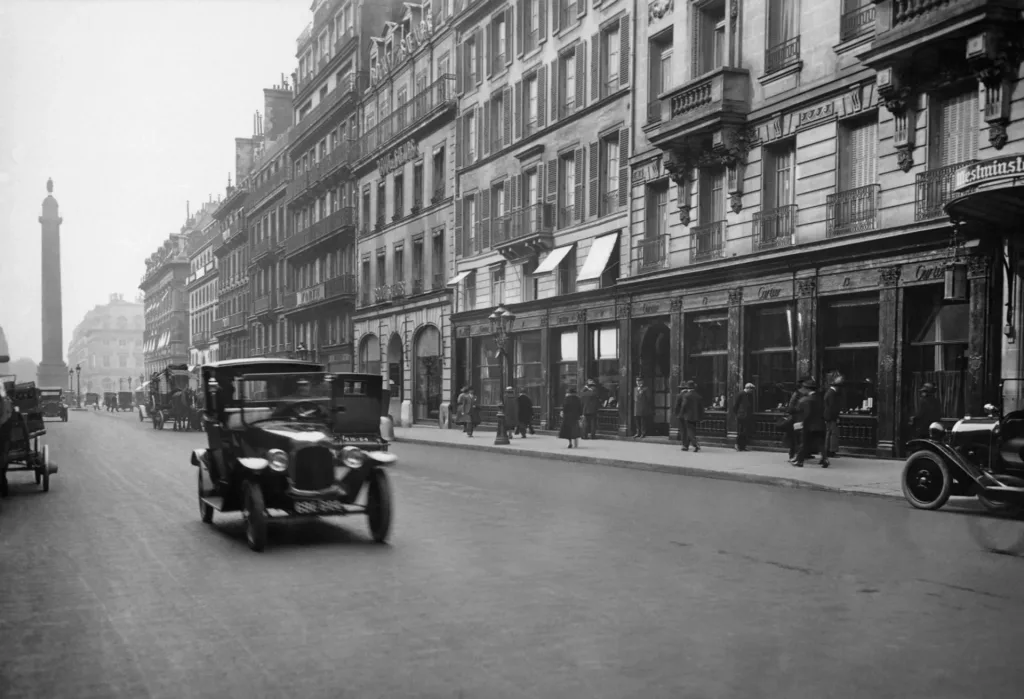
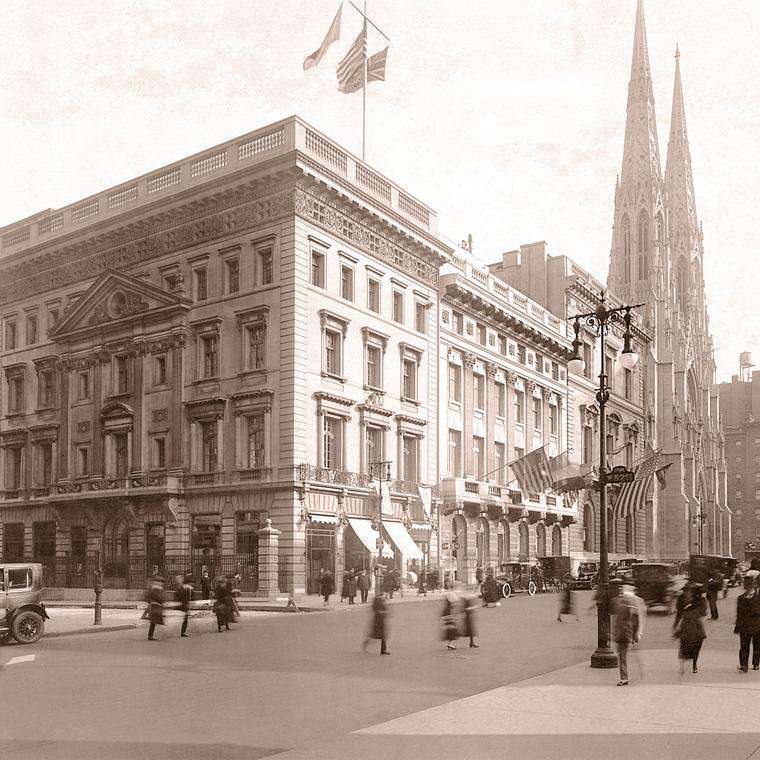
the New York Cartier boutique in 1918 – ©the jewellery editor
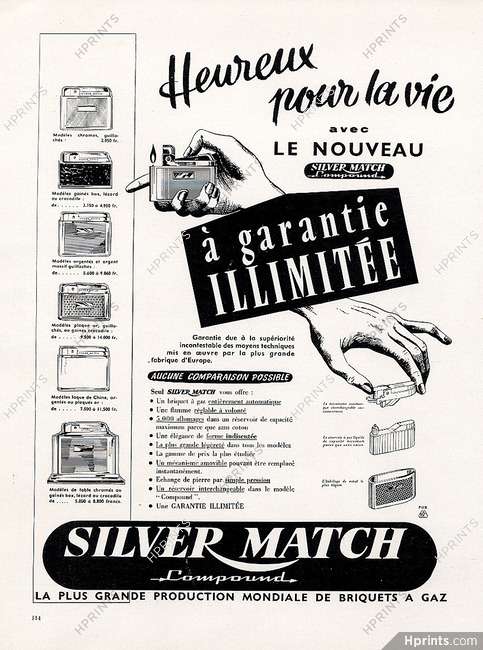
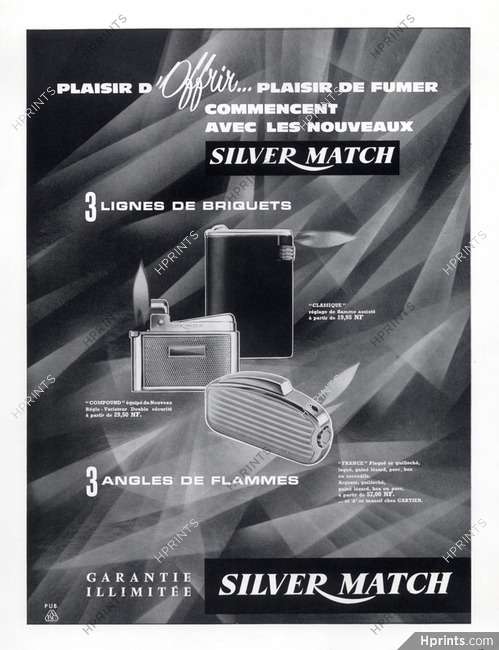
The intervention came from an unexpected quarter. Robert Hocq was not a jeweller. He was an industrialist — the founder of Silver Match, established in the 1950s and by the 1960s the world’s leading manufacturer of luxury lighters.
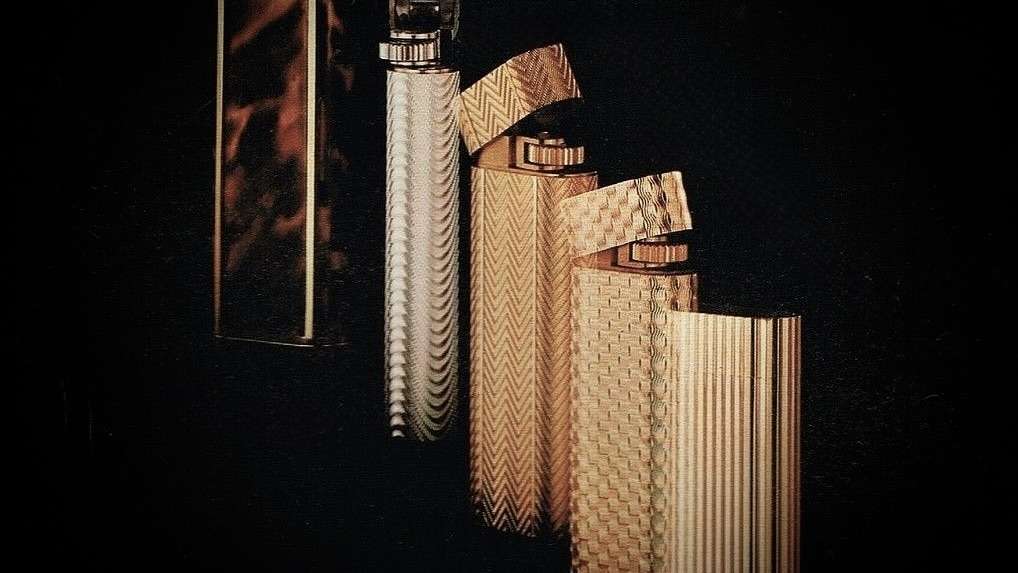
Robert Hocq founded Silver Match in 1953. In 1957, he designed the Compound — an ultra-thin gas lighter whose commercial success made Silver Match the world’s leading lighter manufacturer by the 1960s.
Two further models consolidated the brand’s position: the France (1961), a prestige lighter whose design referenced the ocean liner SS France, and the Ultra Plat (1964), which won the first Oscar Industrie-Mode Masculine, a design award presented by Pierre Cardin and Raymond Loewy.
In 1971, Hocq designed a solid gold lighter he judged too prestigious for Silver Match, brought it to Cartier — and the rest followed.
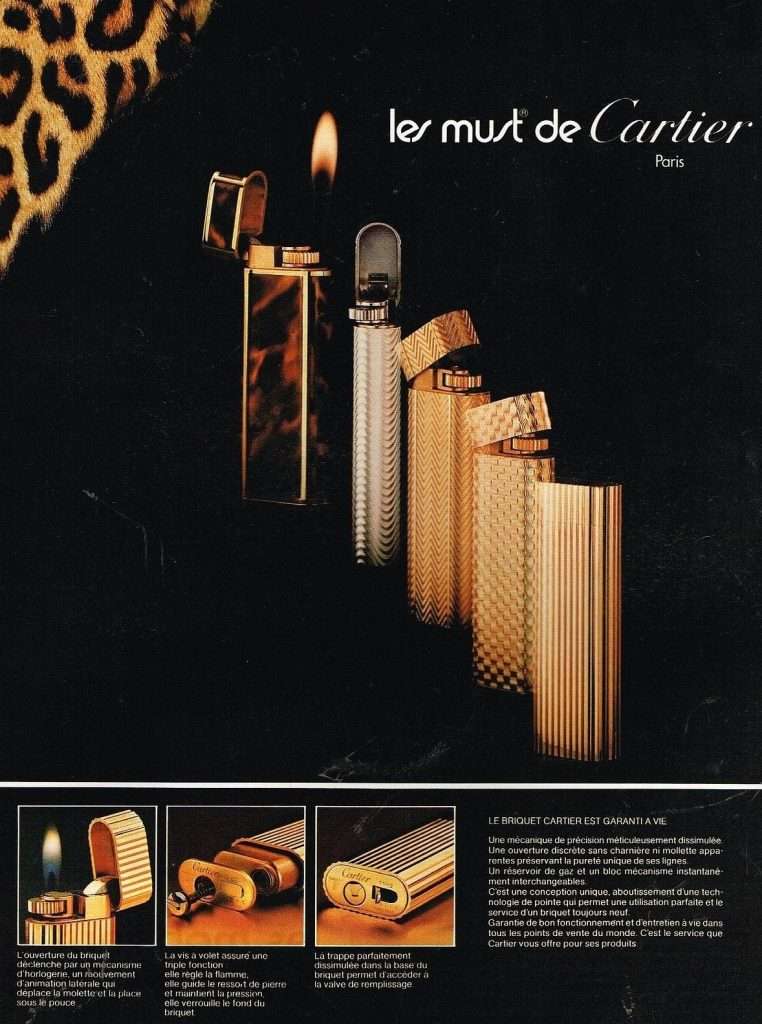
In 1968, Hocq conceived a solid gold lighter and, with the help of financier Joseph Kanoui, persuaded Cartier to grant a licence to produce it under the Cartier name. It was the first time Cartier had put its name on a lighter — and, arguably, the first time it had put its name on anything that was not jewellery, a watch, or a clock.
The lighter sold in large numbers. And it told Hocq and Kanoui something about the Cartier name that the Cartier family had perhaps not fully appreciated: the brand carried a commercial value that extended far beyond the traditional boundaries of haute joaillerie.
There was a large market of consumers who wanted to own a Cartier object but who would not walk into 13 rue de la Paix to commission a necklace.
In 1972, Hocq and Kanoui led a group of investors to acquire Cartier Paris. In 1974, they purchased Cartier London from Jean-Jacques Cartier, ending the family’s direct involvement. The reunification was completed in 1979 with the acquisition of Cartier New York under the umbrella of Cartier Monde. For the first time since the brothers’ era, Cartier was a single entity.
The consortium that acquired Cartier Paris in 1972 was assembled by Joseph Kanoui and included Robert Hocq and South African industrialist Anton Rupert.


Rupert’s involvement brought tobacco capital into the equation: his Rembrandt Group held a majority in Rothmans International, the world’s fourth-largest tobacco company, and his entry into the Cartier consortium was structured around a 20% stake in Cartier America, exchanged for a licence to produce Cartier-branded cigarettes.
The sellers were Edward and Harry Lee Danziger — American film producers who had secretly acquired Cartier Paris in 1968, along with the Cartier shops in Monte Carlo, Cannes, and Switzerland, and who had quietly opened new stores in Hong Kong, Geneva, and Munich during their four years of ownership.
In 1974, the consortium purchased Cartier London directly from Jean-Jacques Cartier, ending the family’s involvement in the business. Cartier New York followed in 1976. The three houses were formally merged in 1979 under the umbrella of Cartier Monde, with Hocq as chairman and Kanoui as vice-president.
The financial terms of these three transactions have not been disclosed.
Robert Hocq was struck by a car outside his Place Vendôme office in December 1979 and died.
His daughter Nathalie succeeded him as president. After Hocq’s death, Rupert — whose tobacco fortune had been the consortium’s deepest source of capital — took a majority stake in Cartier Monde, setting in motion the chain of events that would lead to the creation of Compagnie Financière Richemont in 1988.
The London Boutique – ©41watch

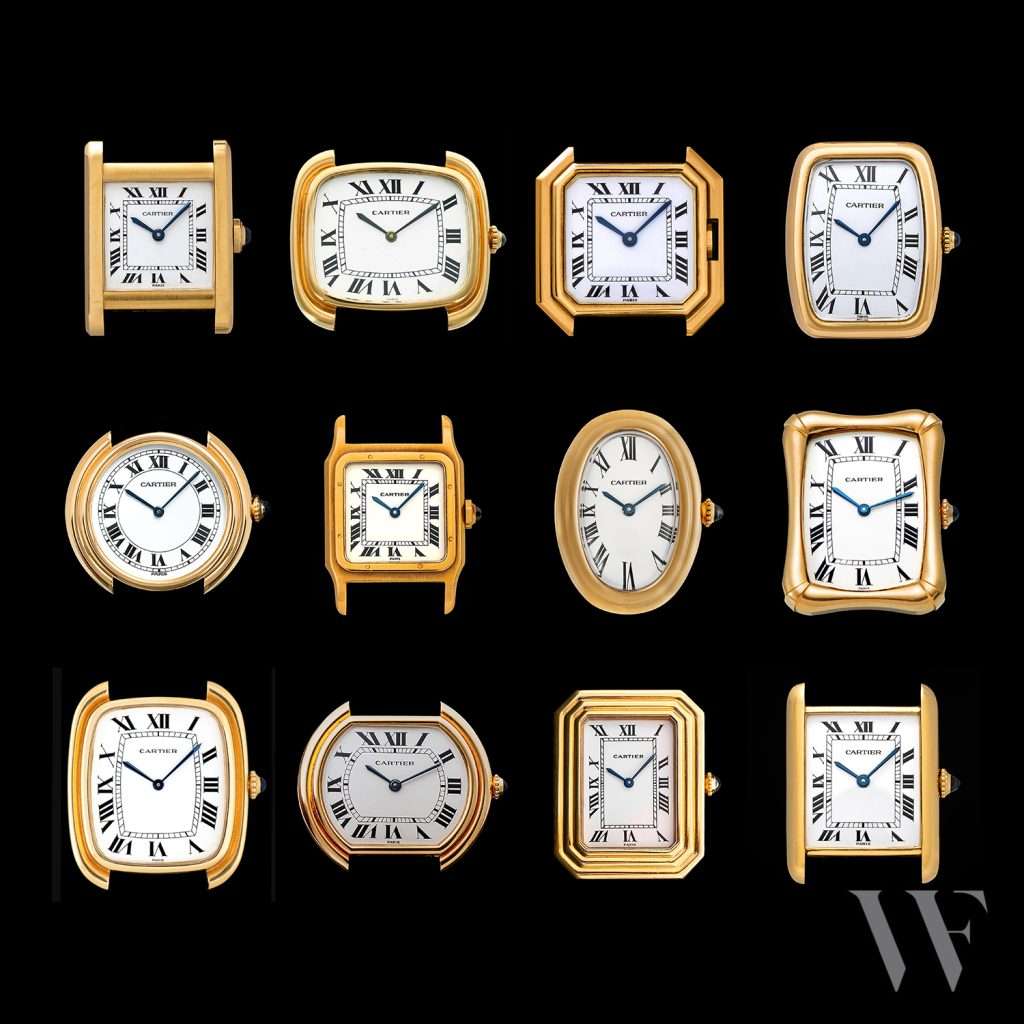
The new Louis Cartier collection – 12 Gold Watches
Hocq’s first move in watchmaking was a prestige play. In 1973, Cartier Paris launched the Collection Louis Cartier: a series of twelve shaped watches in 18kt gold that revisited the maison’s historical case designs.
The twelve models — Tank Normale, Tank Louis Cartier, Santos, Vendôme, Ceinture, Fabergé, Gondole, Ellipse, Cristallor, Coussin, Baignoire, and Square — were offered in both men’s (Grand Modèle) and women’s (Petit Modèle) sizes, with the exception of the Baignoire, offered only as a PM.
These were serious watches in precious metal, fitted with mechanical movements — the Cal. 78-1 (based on an ETA ebauche) and the price was substantial.
These were not, high-volume watches. Between 1920 and 1960, Cartier had produced approximately 15,000 wristwatches in total. The Collection Louis Cartier continued in that tradition: small-scale production of gold watches for a clientele that already knew the name. They were the creative statement and the prestige anchor of the new Cartier — the signal that the maison’s watchmaking heritage was intact. But they were not going to finance the reunification, the expansion, or the construction of a retail network. For that, Hocq and his team needed something else entirely.
©Watchfid

The answer was Les Must de Cartier. The concept — developed by Hocq and by Alain-Dominique Perrin, who had joined Cartier in the early 1970s and would eventually become Chairman of Cartier International — was to create a line of Cartier-branded products that were accessible to a far broader audience than the traditional Cartier clientele.
The tagline was direct: “Les Must de Cartier, c’est un must.”
The Must line began with lifestyle accessories: lighters, pens, leather goods, key holders. Hocq, whose background was in the lighter industry, understood these distribution channels.
The products were sold not only through Cartier’s own boutiques but through a wider network of retailers — a deliberate departure from the maison’s historical model of selling exclusively from its own addresses.
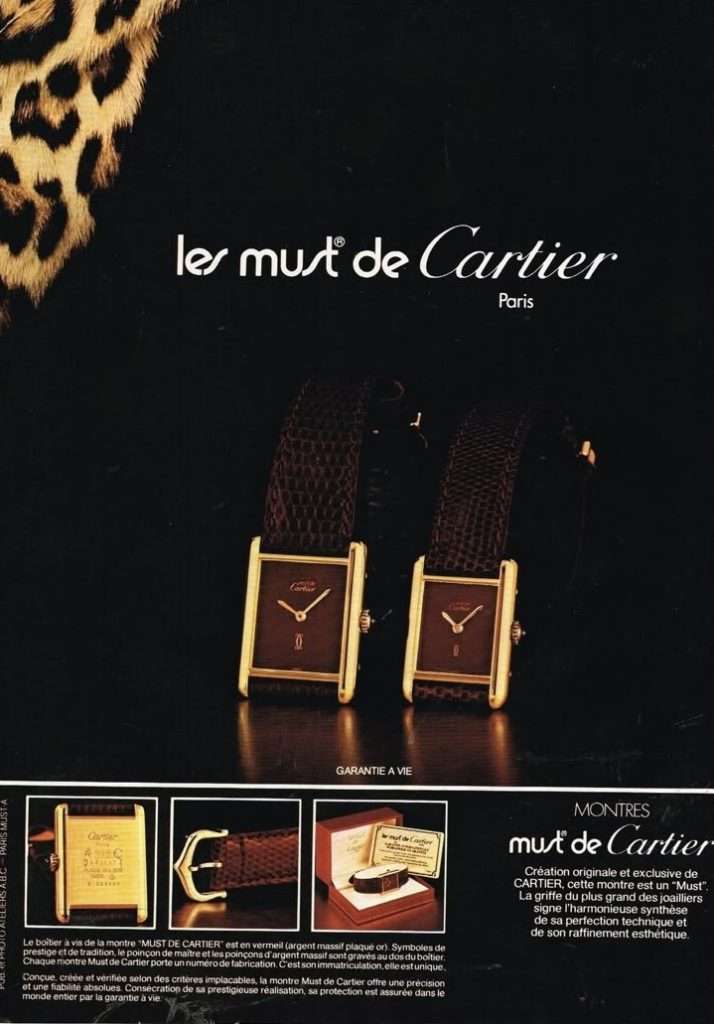
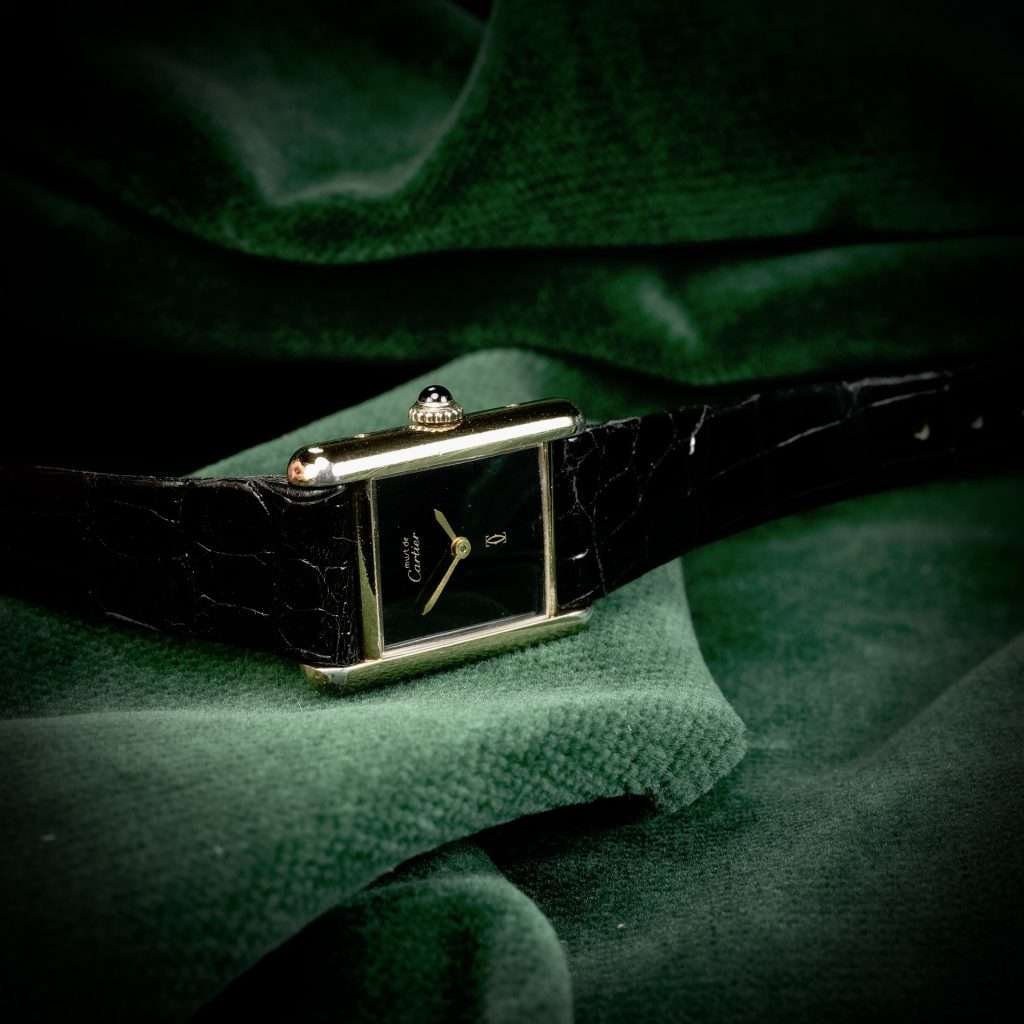
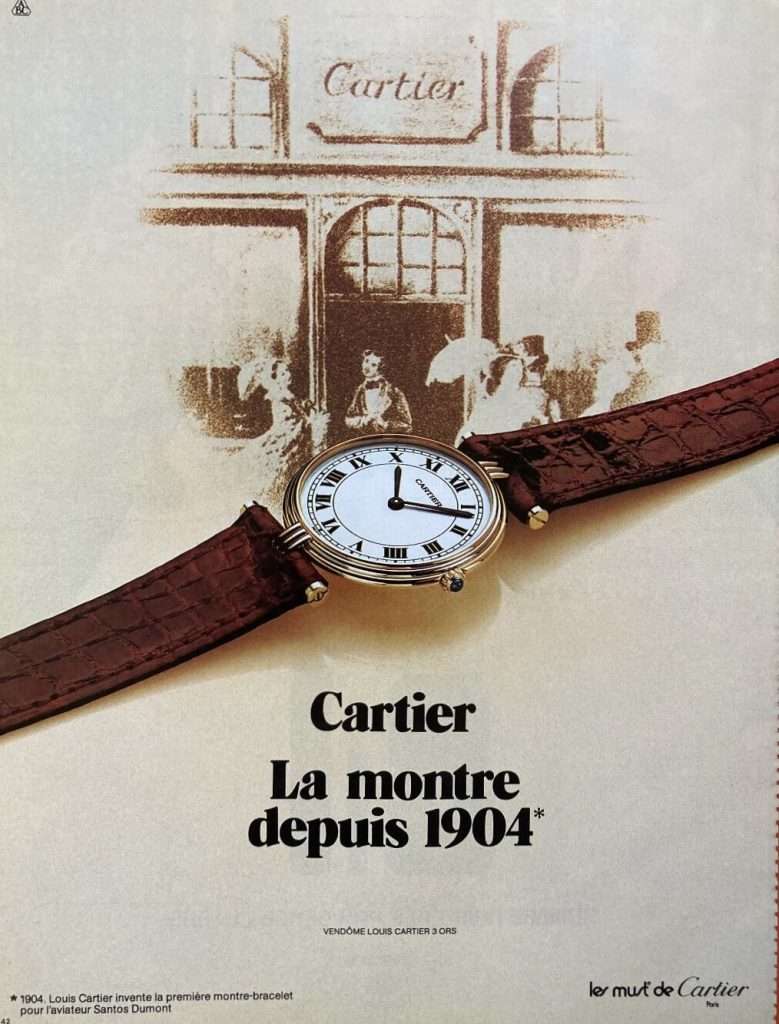
In 1977, the Must concept was extended to watches. The Must de Cartier watches used the same case designs as the Collection Louis Cartier — the Tank Louis Cartier, the Vendôme, and eventually the Ronde and Colisée — but in vermeil: sterling silver with a 20-micron gold plating, rather than solid 18kt gold.
The movements were initially the same manual-wind Cal. 78-1, later also quartz.
The dials were offered in a range of colours — burgundy, blue, black, ivory — that gave the watches a visual identity distinct from the restrained white-and-gold palette of the gold collection. The price was a fraction of the 18kt equivalent.
The Must watches were a commercial success on a scale that Cartier had never previously experienced in horology. Hundreds of thousands of units were produced.
By the 1980s, revenue from Les Must de Cartier products alone exceeded one billion dollars, and the Must line dominated the combined company’s sales.
It was this revenue — not the gold watches, and not the haute joaillerie — that financed Cartier’s growth through the decade: the construction of its retail network, its international expansion, and ultimately the acquisitions of Piaget and Baume & Mercier in 1988.
Two Parallel Lines
The commercial structure of Cartier’s watch business from 1973 onward was therefore built on two parallel product lines that served fundamentally different purposes.
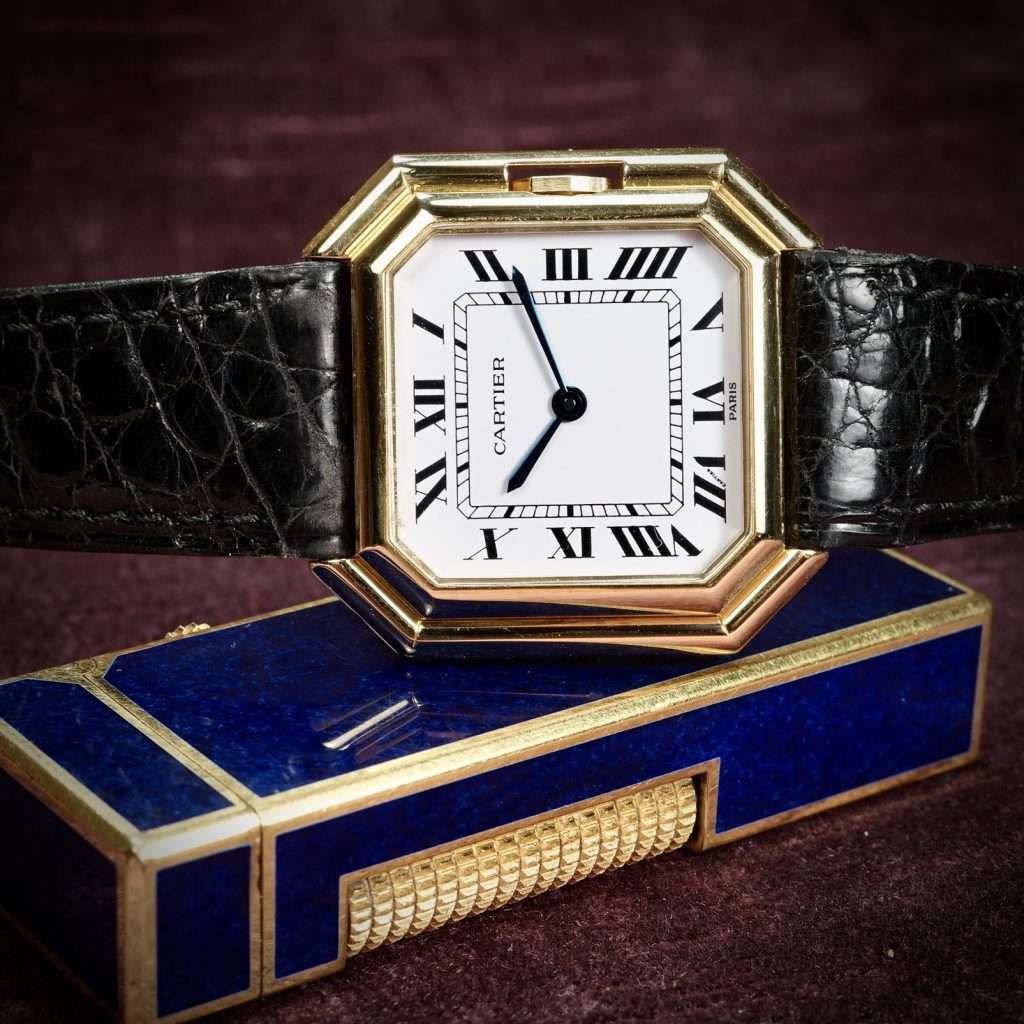
The Collection Louis Cartier — the twelve models in 18kt gold, with their mechanical movements and Paris or Swiss-signed dials — was the prestige collection.
It established the design vocabulary, validated the maison’s horological credentials, and served as the reference point for everything that followed. Production was limited.
These watches were sold through Cartier’s own boutiques and through a small number of authorised jewellers. Today, these are the references that collectors seek.
Les Must de Cartier was the commercial engine. It took the same designs, executed them in more affordable materials, and distributed them through a far wider retail network.
It generated the revenue that allowed Cartier to reunify, expand, and invest.
Without it, the Collection Louis Cartier would have remained a catalogue of beautiful objects produced in small quantities by a fragmented, underfunded maison.
The Must line made Cartier a global brand. The Collection Louis Cartier made it a watchmaker.

[Part II will cover the Tank Louis Cartier references in detail: the launch models (refs. 78086, 78087), the Extra-Plate (ref. 96019), the Jumbo Automatic (ref. 17002), the “Deux Ors” variants, the evolution of dial signatures and the introduction of the secret signature.
A Cartier Bagnoire, this watch – Ref. 78094 was manufactured in one single size, with its very curvy and soft lines it was considered to be a lady’s timepiece, most watches are in yellow gold, more rarely in white gold

[contact-form-7 id=”4235″ title=”Contact form 1″]